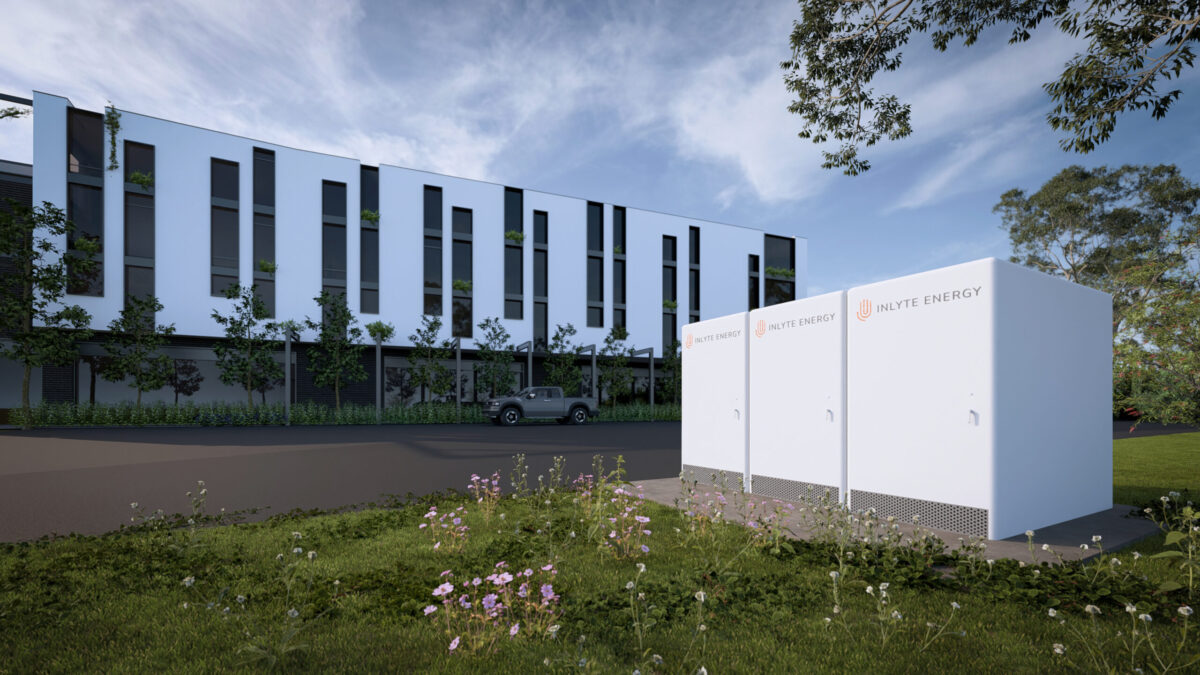
Inlyte Energy is reimagining energy storage with an abundant, safe, and scalable battery chemistry using iron and salt. What motivated you to pursue this approach, and why is Inlyte’s solution so urgent today?
The need is urgent because the world is now demanding a lot more electricity, even while the cost of electricity is increasing faster than inflation. After seeing no/low growth for the last 25 years, the U.S. grid is forecast to have more demand growth in the next 10 years than in any other 10-year period in history. Power hungry data centers, onshoring of manufacturing, and electrification are driving this dramatic growth in demand. Solar and wind provide low-cost electricity and can be deployed very quickly, but they must be paired with cost-effective energy storage in order to “firm” their variability to meet customer reliability and affordability requirements.
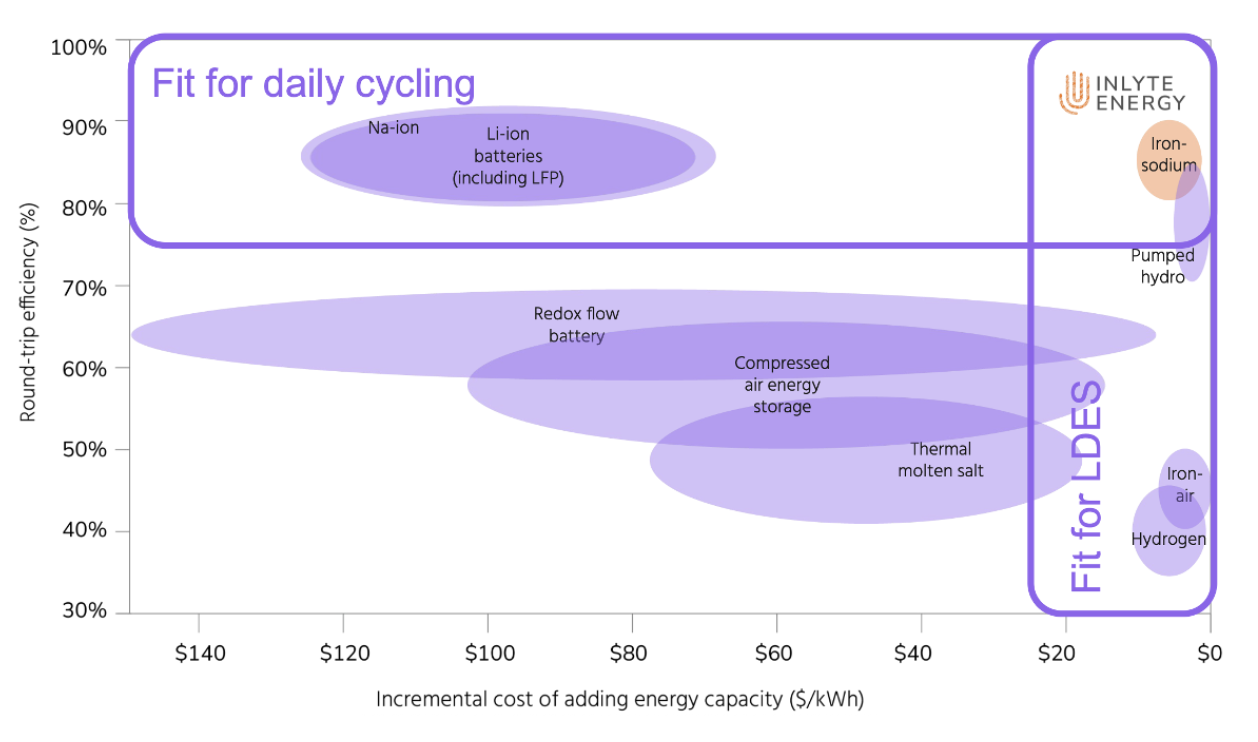
That was the starting point for Inlyte’s iron-sodium battery. We use abundant, low-cost materials to deliver better performance than the competing technologies. Our battery has high round-trip efficiency and long cycle life, so it can be used for both low-cost daily cycling and also long-duration energy backup.
On a personal level, as a parent, I feel the urgency to scale low-cost and sustainable energy solutions every day when I look in my children’s eyes.
Our battery has high round-trip efficiency and long cycle life, so it can be used for both low-cost daily cycling and also long-duration energy backup.
How does the current political environment—including tariffs, trade policy, and strategic interdependence—impact Inlyte’s commercialization path?
Recent activity around tariffs and trade policy has created significant momentum with our customers. Flexibility and energy prices are strategic priorities across the U.S. and Europe. Inlyte is perfectly positioned to meet this age—in contrast to both Li-ion and Na-ion batteries, we have a domestic supply chain (salt and iron are cheap, abundant and everywhere) and domestic manufacturing capabilities.
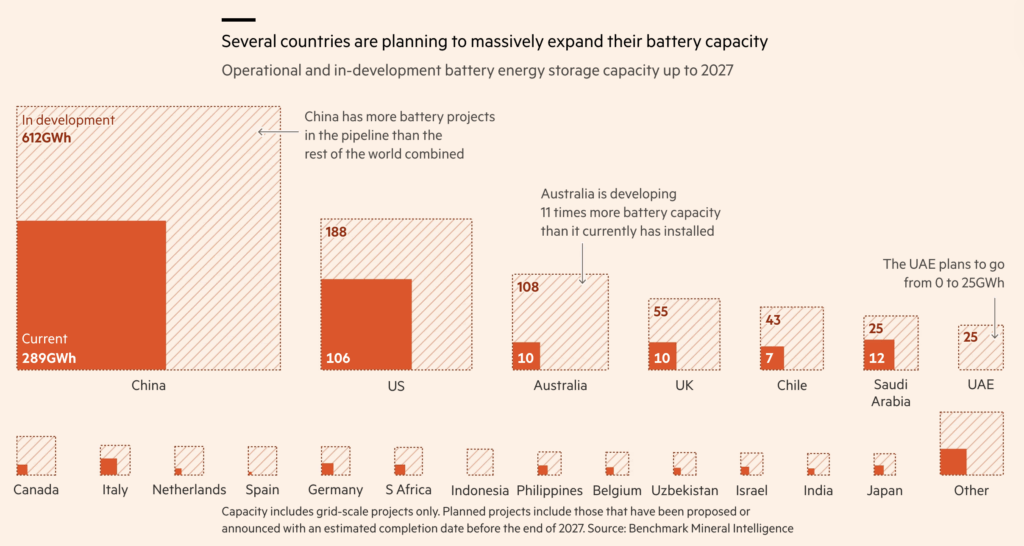
Low-cost, reliable, safe, secure energy is important to everyone regardless of political affiliation. Texas leads the nation in renewable energy and battery deployment—because the economics are compelling. And globally, grid batteries were a $50 billion market in 2024, and are forecasted to grow 6x to $300 billion in the 2030s.
Inlyte is positioned to disrupt the incumbent lithium-ion battery market with a cheaper, safer, higher-performing grid battery independent of the Chinese supply chain and manufacturers.
New battery technologies have traditionally required lots of capital and patience to get to commercialization. How is Inlyte approaching this scaling challenge?
Every company has a unique story, but we have learned a lot from the trajectories of other battery startups over the last decade. We avoided typically long timelines and high capital requirements by leveraging the 40-year history of the proven, commercialized sodium metal chloride battery.
We did this not just in a theoretical way, but in a very concrete way. Inlyte acquired world leading experts and an existing pilot manufacturing line at Beta Research, which has massively accelerated our path to market. To give an example, when we were constructing our first module, consisting of 100 identical cells, we had a one to two quarter buffer for the traditional iteration required for this kind of engineering work. We were pleasantly surprised– we didn’t need the extra time. We had 100% yield on the first set of cells and after putting together the module, it simply worked.
Another learning has been the difficulty and capital intensity of going straight to gigafactory production scale, as seen with Northvolt’s approach. We have addressed this challenge by designing our cells to be economical from our first factory level, which will be much smaller in scale than current Li-ion gigafactories.
We have also partnered with a current producer of the legacy salt and nickel cells, Horien, to ensure rapid factory bring-up. Make no mistake, our first factory will produce at lower cost when compared to the existing solutions on the market, and as we scale beyond our first factory we will then be able to achieve massively disruptive cost points.
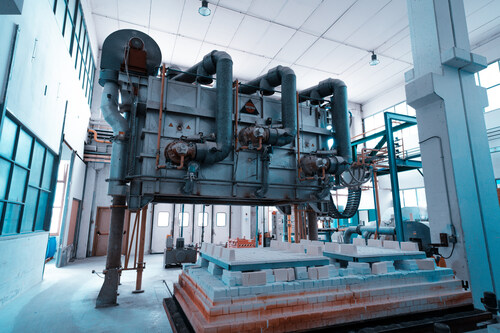
You’ve described Inlyte’s product as closing the gap between what the energy sector needs and what today’s technologies can deliver. What does that gap look like in practical terms, and how does Inlyte’s battery architecture uniquely address it?
The biggest gaps are in cost, safety and time to power, and Inlyte addresses all three.
On the cost side, we optimize everything to achieve the lowest total cost of ownership of our batteries, namely:
- Materials: we use low-cost, abundant materials (iron and salt)
- Lifetime: sodium metal chloride batteries are known for their long cycle and calendar life
- Footprint: our batteries are compact and comparable to Li-ion
- EPC costs: we have low balance-of-plant and other EPC costs, as no external structure or HVAC is needed
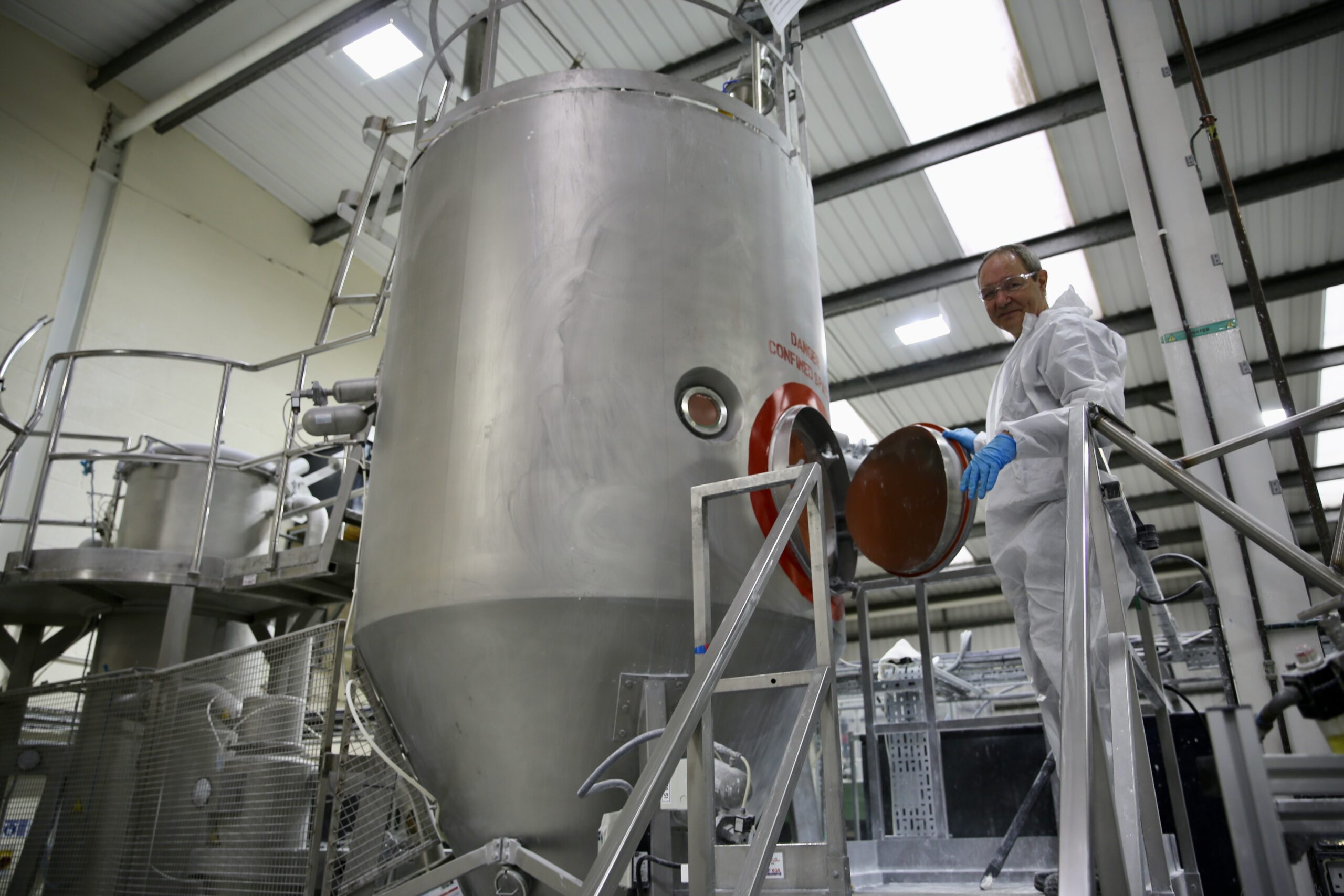
- Manufacturability: our batteries have a simpler manufacturing process than lithium-ion with less energy use (e.g., the electrode is formed by mixing iron and salt powders and pouring that mixture into the ceramic membrane)
- Safety: our battery is non-flammable, and eliminates fire and explosion risk (the Moss Landing fire highlighted the importance of this)
On time-to-power, Inlyte can shorten the grid interconnection wait times for data center customers by pairing affordable on-site solar generation with low-cost, on-site backup power. Inlyte also helps large load customers provide flexibility to utilities with its proven battery technology, domestic manufacturing and high round-trip efficiency.

Inlyte’s core materials—iron and salt—are not only low-cost but also domestically sourced and abundant. How does that change the game from a supply chain and energy security perspective?
Inlyte is proceeding full-speed ahead with plans for a domestic U.S. factory supplied by domestically sourced material to serve national and energy security needs.
China dominates every step of the supply chain for lithium-ion and sodium-ion batteries, so even if gigafactories can be constructed in the U.S., the materials supply will still largely flow through China. Having a next-generation technology such as Inlyte that can be fully sourced and manufactured in America reduces this vulnerability, and it also makes battery lead times and pricing less volatile for customers.
Where does Inlyte fit within the broader energy storage ecosystem? How do you envision utilities and developers integrating your solution into existing grid infrastructure?
As a scalable, low-cost technology, our iron-sodium battery has received a lot of interest from utilities and developers. It is a grid-scale solution for standalone storage, solar plus storage and other large energy campus use cases. Utilities and resource planners around the world seek more long-duration energy storage (>10 hours) as the penetration of renewable energy sources increases, to help firm that renewable power. In the U.S., Southern Company—a top three U.S. utility—is installing an 80kw/1.5MWh-hour Inlyte demonstration project near Birmingham in 1Q26. And we have been selected for multiple seven-figure projects with industry leading customers and partners even before that demo is live due in no small part to the maturity of our proven chemistry and manufacturing readiness.
You’ve spoken about the importance of building with first principles in mind, not retrofitting existing technologies for a new use case. How has that mindset shaped Inlyte’s R&D and commercialization strategy?
We have pursued both strategies at Inlyte. I started this journey by staring at the periodic table while I was in the Stanford Materials Science & Engineering Department. Sodium metal stood out to me as the best starting point for a grid battery due to its great abundance, high energy density, and rapid kinetics.
But the idea for Inlyte really took off in my head when I realized that the theoretical path I was going down looked a lot like an existing technology, the sodium nickel chloride battery, which was developed for electric vehicles in the 1980s-90s, and ultimately commercialized for telecom backup and critical power applications. By redesigning this relatively niche battery for stationery storage, I knew I could unlock the theoretically attractive iron-sodium battery with a very low cost point.
I think it’s really the combination of these two modes—innovation and experience—that is key to Inlyte’s success. We treat all problems from first principles and have young scientists constantly asking why things couldn’t be done differently. At the same time we have extremely experienced people who can help the team avoid the problems that have come before. Crucially, everyone has bought into the Inlyte Practice of Humility, in which every perspective deserves to be heard. This has allowed us to be innovative while executing very rapidly.
Looking ahead, what milestones are you most excited about for Inlyte, and what would success look like over the next five years?
I’m particularly excited about our U.S. factory, starting with our 2 GWh/year facility in 2027 and scaling to 20 GWh/year by 2029. This aligns with the explosive growth projected for the energy storage market, which is expected to reach $569 billion by 2034.
Success over the next five years includes:
- Deploying >10 GWh of batteries that provide an essential daily service to our customers and to the American people
- Having zero safety incidents across manufacturing and deployments
- Completing utility-scale demonstrations and pilots, including with Southern Company where we will be delivering commercial modules over the coming three to six months
- Establishing and expanding our domestic manufacturing plants as mentioned, and exploring international markets experiencing similar, acute pain points
- Keeping the lights on with our battery deployments during unforeseen outages, whether it is at a data center, a critical infrastructure site, or a residential home
- Collaborating with utilities to reduce energy costs and increase reliability for electricity consumers